Red Light Therapy Near Me — What the Science Actually Says About This Recovery Tool
Red Light Therapy Near Me — What the Science Actually Says About This Recovery Tool
If you've searched "red light therapy near me" recently, you're not alone. Interest in photobiomodulation — the clinical term for red and near-infrared light therapy — has surged in 2026, with NPR, Nature, and Stanford Medicine all publishing major pieces on the science this year. But between TikTok claims and genuine clinical evidence, it can be hard to separate what's real from what's hype.
Here's what the research actually supports, how the therapy works at a cellular level, and what a session looks like at a dedicated recovery clinic in the Twin Cities.
What Is Red Light Therapy?
Red light therapy — also called photobiomodulation (PBM) or low-level light therapy — uses specific wavelengths of red (630–670 nm) and near-infrared (810–850 nm) light to stimulate cellular function. Unlike UV tanning beds, red light therapy doesn't damage skin or carry cancer risk. The light penetrates several millimeters into tissue, where it interacts directly with your cells' mitochondria.
The mechanism is straightforward: a protein called cytochrome c oxidase inside your mitochondria absorbs these specific wavelengths, which increases ATP (cellular energy) production. When your cells produce more energy, they repair faster, reduce inflammation more efficiently, and function closer to their baseline capacity.
This isn't fringe science. A 2025 consensus review confirmed red light therapy has reached the highest level of clinical evidence for conditions like pattern hair loss, chronic ulcers, and peripheral neuropathy. And research published in Nature in early 2026 is helping clarify exactly how different wavelengths, dosages, and treatment durations produce different therapeutic effects.
Pain Relief and Inflammation Reduction
One of the most well-supported applications of red light therapy is pain management. Clinical trials have reported meaningful reductions in pain for people with osteoarthritis, fibromyalgia, and chronic joint conditions. The mechanism works on multiple fronts: red and near-infrared light reduce pro-inflammatory cytokines, increase blood flow to treated areas, and stimulate the release of nitric oxide — a molecule that relaxes blood vessels and improves circulation.
For athletes and active adults in the Twin Cities, this translates to faster recovery between training sessions. Research shows red light therapy may enhance muscle recovery when applied after exercise, reducing delayed-onset muscle soreness (DOMS) and helping tissue repair more quickly.
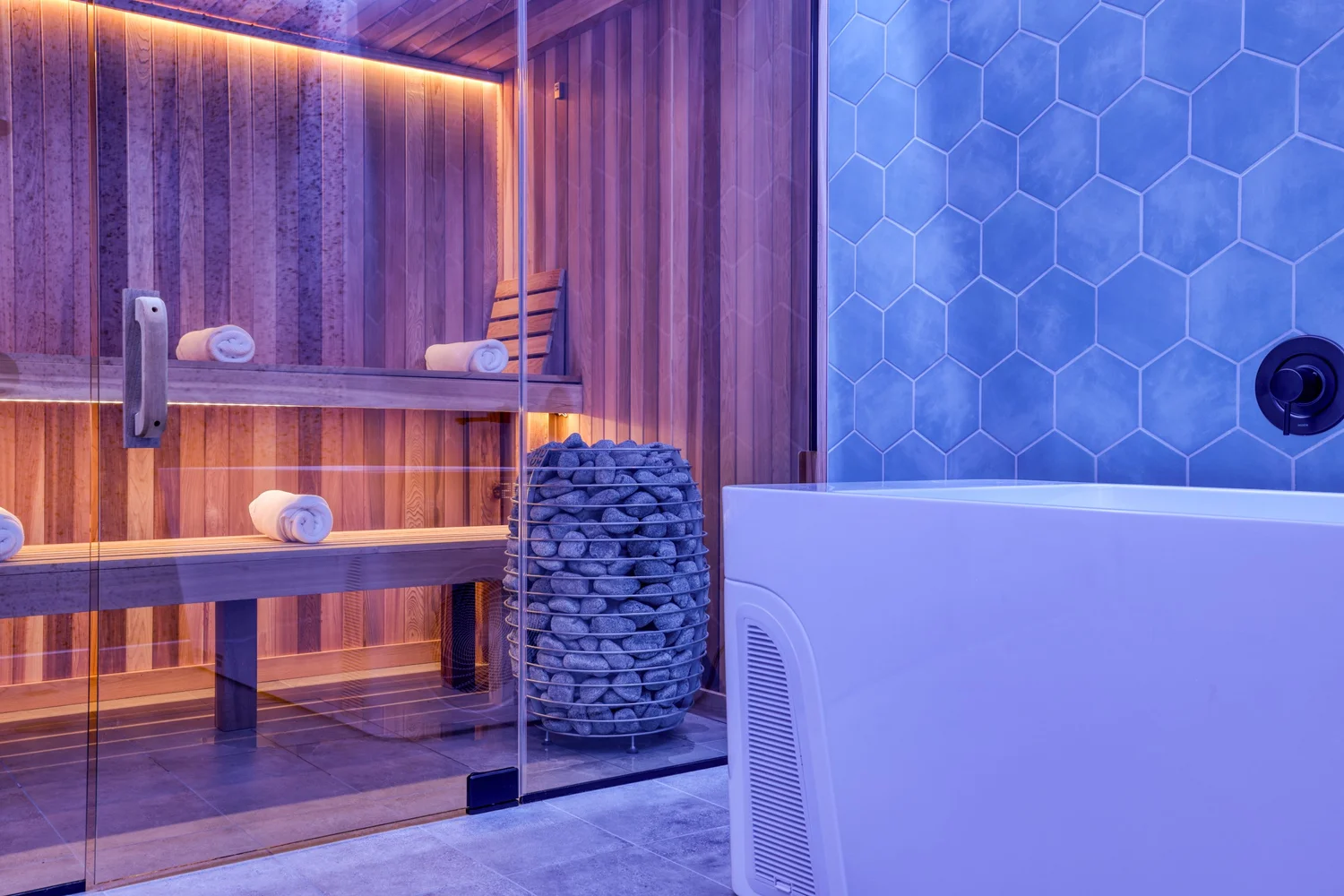
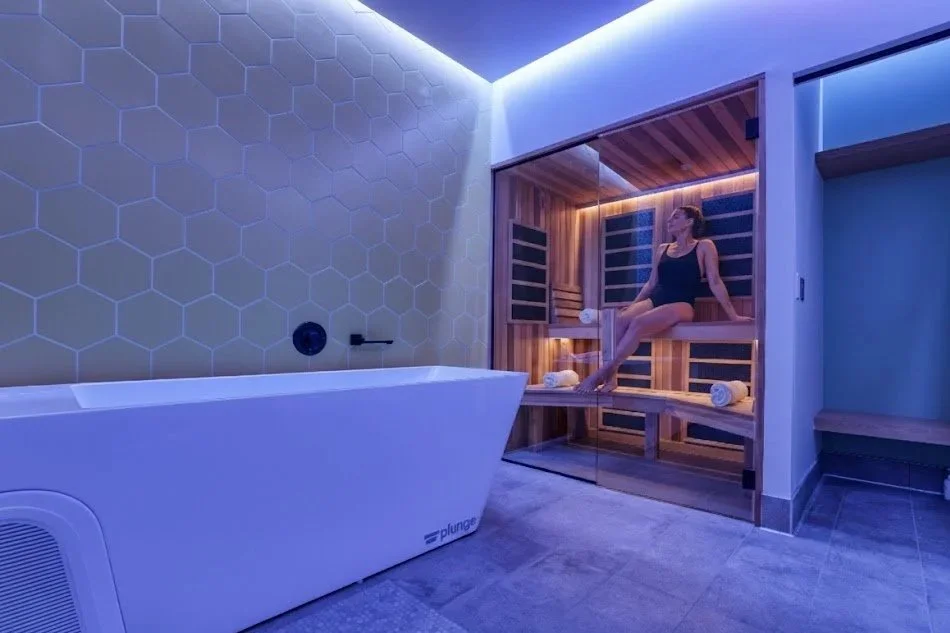
At Optimum Health, many clients pair a red light therapy session with an infrared sauna or PEMF therapy session for a comprehensive recovery protocol. The combination addresses inflammation at multiple levels — heat therapy increases circulation systemically, red light targets cellular repair locally, and PEMF supports the body's electromagnetic healing processes.
Skin Health and Collagen Production
Red light therapy's skin benefits have some of the strongest clinical backing in the field. A controlled trial published in Photomedicine and Laser Surgery found that participants who received red and near-infrared light treatment showed significant improvements in skin complexion, collagen density, and reduction of fine lines and wrinkles. Participants reported measurable changes in skin feeling, texture, and smoothness.
The mechanism here ties back to those mitochondria. Fibroblasts — the cells responsible for producing collagen and elastin — respond strongly to red light wavelengths. When fibroblasts receive more ATP energy, they increase collagen synthesis, which is the structural protein that keeps skin firm and elastic.
As Stanford Medicine noted in their 2025 review, these effects are real but modest compared to more aggressive dermatological procedures. Red light therapy works best as a consistent, long-term addition to your wellness routine rather than a one-time fix. Most clients see noticeable improvements after 8–12 sessions.
Neurological and Mood Benefits
Emerging research is expanding red light therapy's applications well beyond skin and pain. Clinical studies have reported reductions in depression symptoms, and researchers are investigating photobiomodulation's effects on neurodegenerative conditions. In preclinical studies, red light applied transcranially preserved dopamine-producing neurons in models of Parkinson's disease, with benefits lasting weeks after treatment ended.
The mood benefits may also connect to red light's effects on mitochondrial function in brain cells. When neurons produce energy more efficiently, neurotransmitter production and synaptic function can improve. While this research is still emerging — researchers are careful to note more rigorous human trials are needed — the early results are promising enough that major institutions like UCLA, Harvard, and Stanford are actively studying photobiomodulation for brain health.
For Minnesotans dealing with seasonal changes and long winters, the potential mood-supporting effects of regular red light therapy sessions are particularly relevant. Several Optimum Health clients incorporate red light therapy into their winter wellness routines alongside vitamin D optimization and functional medicine protocols.
Sleep and Recovery Quality
One benefit that often surprises clients is improved sleep quality. Red light therapy may influence melatonin production and circadian rhythm regulation. Unlike blue light from screens — which suppresses melatonin and disrupts sleep — red wavelengths appear to support the body's natural sleep-wake cycle.
Combined with the pain-reducing and inflammation-lowering effects, better sleep quality creates a positive feedback loop: less pain means better sleep, better sleep means faster recovery, and faster recovery means less pain. For clients managing chronic conditions or training at high intensities, this compounding effect can be significant over time.
What to Expect at Optimum Health in Inver Grove Heights
At Optimum Health, red light therapy sessions use our full-body NEO LED bed — a medical-grade system that delivers calibrated wavelengths of both red and near-infrared light simultaneously across your entire body. This is different from the standing panel setups at many wellness chains, where light coverage is limited to your front or back at any given time.
Here's what a typical session looks like:
Before your session: You'll check in at our clinic at 7781 Amana Trail in Inver Grove Heights. Our team will walk you through the process if it's your first visit, answer any questions, and help you understand the settings on the LED bed.
During your session: You'll relax in a private recovery room for 15–20 minutes while the LED bed delivers targeted wavelengths. Most clients describe the experience as warm and relaxing — there's no pain, no UV exposure, and no downtime afterward. Many people listen to music or simply rest.
After your session: You can resume normal activities immediately. Many Optimum Health clients stack their red light session with other recovery services — a popular combination is infrared sauna followed by red light therapy, which primes circulation before targeting cellular repair.
How often: For general wellness, 2–3 sessions per week for the first 4–6 weeks helps establish a baseline. After that, many clients maintain results with 1–2 sessions weekly. For specific conditions like chronic pain or skin concerns, our team can help design a protocol tailored to your goals.
We accept HSA and FSA payments, which many clients use to cover their recovery sessions.
Frequently Asked Questions
Is red light therapy safe?
Yes. Red light therapy uses very low levels of heat that don't burn skin, and there's no UV exposure. It's FDA-cleared for safety across multiple applications. The Cleveland Clinic, Harvard, UCLA, and Stanford have all published guides confirming its safety profile. The most common side effect is mild, temporary warmth in the treated area.
How is red light therapy different from infrared sauna?
While both involve light energy, they work differently. Infrared saunas use far-infrared wavelengths primarily to generate deep heat, promoting sweating and cardiovascular benefits. Red light therapy uses red and near-infrared wavelengths at lower intensities to directly stimulate cellular function without significant heat. They complement each other well — sauna for systemic circulation, red light for targeted cellular repair.
How many sessions before I see results?
Most clients notice improvements in energy and recovery within 3–5 sessions. Skin improvements typically become visible after 8–12 sessions. Pain reduction varies by condition but often shows meaningful progress within 2–4 weeks of consistent treatment.
Does insurance cover red light therapy?
Most insurance plans don't cover red light therapy directly, but HSA and FSA accounts can typically be used for sessions at Optimum Health. Check with your benefits provider to confirm eligibility.
Who should avoid red light therapy?
People taking photosensitizing medications should consult their physician before starting. Pregnant women should also check with their healthcare provider. Red light therapy is generally considered safe for most adults, but our team will review your health history during your first visit.
Start Your Red Light Therapy Protocol
Whether you're managing chronic pain, optimizing recovery between workouts, or investing in long-term skin health, red light therapy offers a safe, evidence-based approach backed by research from institutions like Nature, Stanford, and UCLA.
At Optimum Health in Inver Grove Heights, we combine medical-grade LED technology with personalized protocols and the option to stack recovery services for maximum benefit. Dr. Danny and our team can help you build a plan that fits your specific goals.