Contrast Therapy: How Sauna and Cold Plunge Accelerate Recovery

Contrast Therapy Sauna and Cold Plunge — Optimum Health Inver Grove Heights MN
RECOVERY

Contrast Therapy: How Sauna and Cold Plunge Accelerate Recovery

March 3, 2026|8 min read|Optimum Health

Your blood vessels are not passive tubes. They are dynamic, muscular structures that expand and contract thousands of times per day to regulate temperature, deliver oxygen, and remove waste from tissue. When you alternate between intense heat and cold, you put this vascular system through a controlled workout that research suggests may improve recovery, reduce soreness, and support long-term cardiovascular health.

That alternation is called contrast therapy. It has been used in clinical and athletic settings for decades, but it has gained significant mainstream attention as the recovery science market has grown to an estimated 8.3 billion dollars globally. The research has matured alongside that growth, moving from anecdotal athletic protocols to peer-reviewed systematic reviews and meta-analyses.

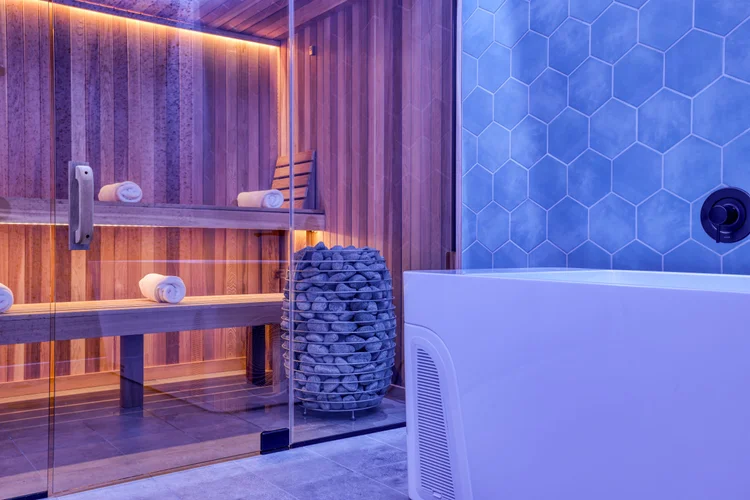
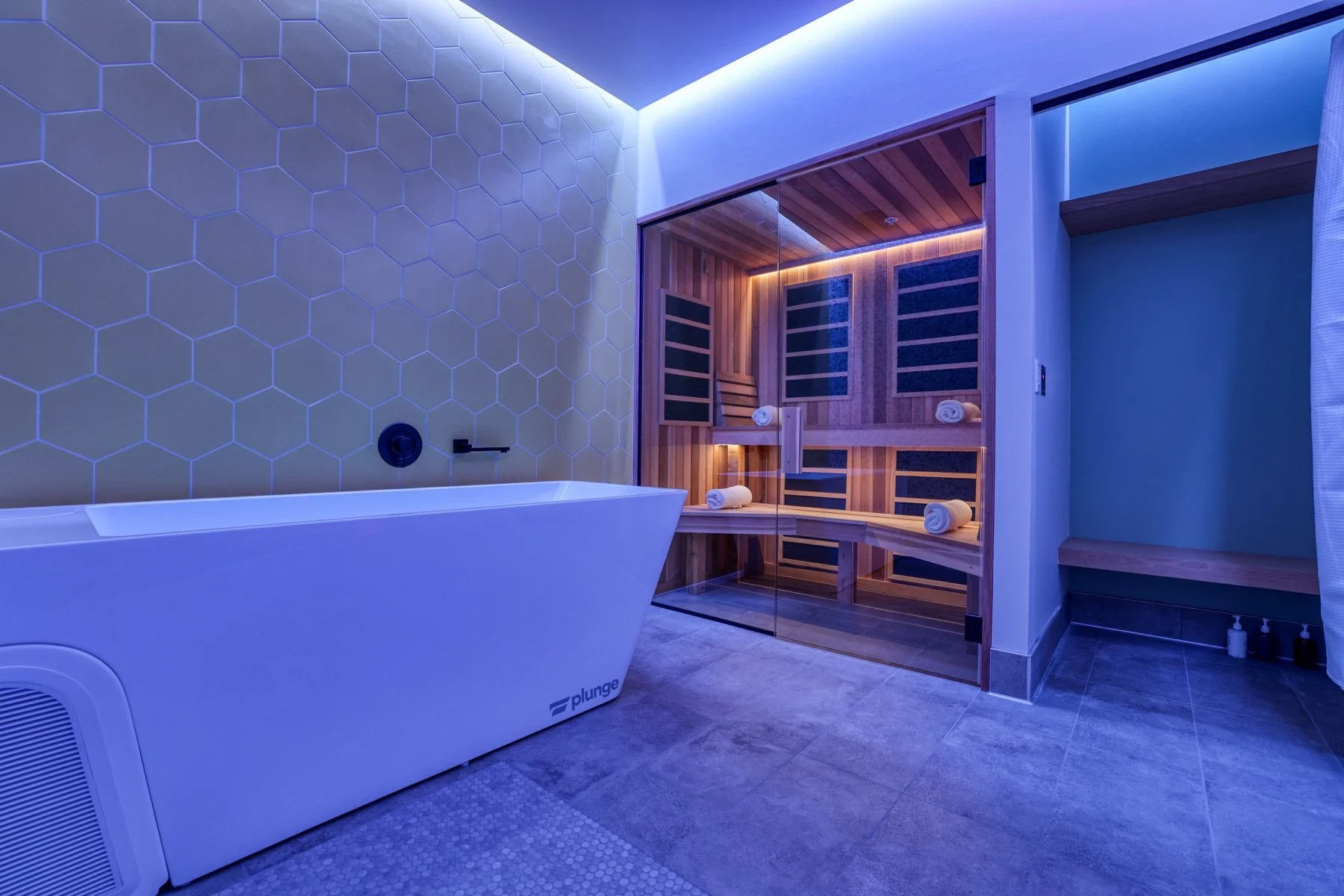
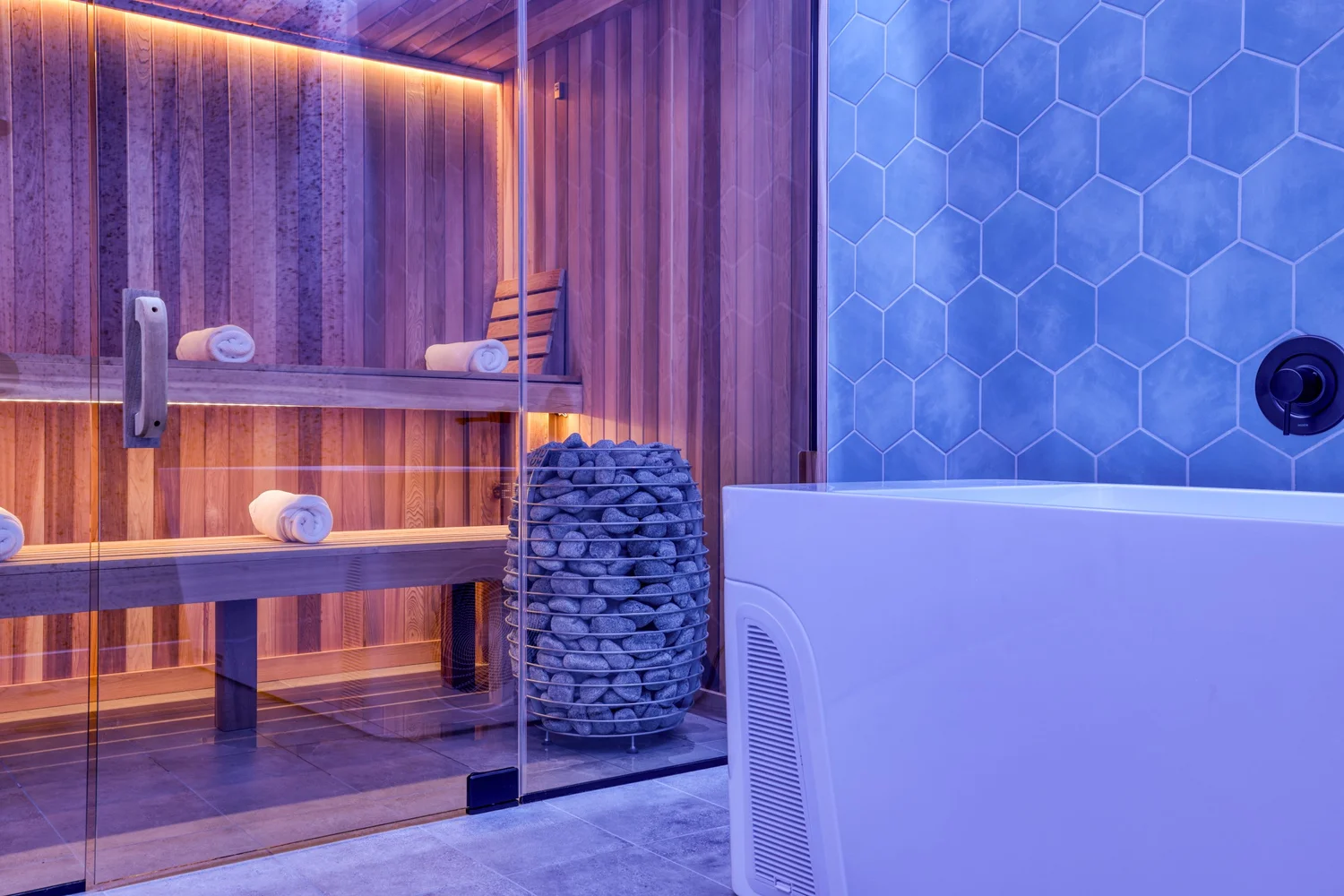
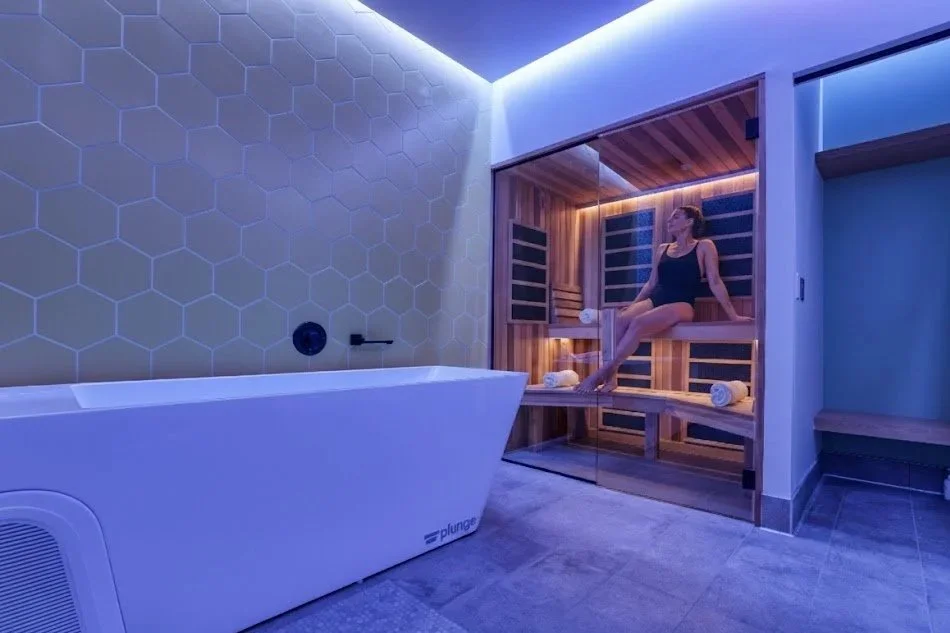
At Optimum Health in Inver Grove Heights, Minnesota, we offer both infrared and traditional sauna paired with cold plunge in private suites, which is what makes contrast therapy here different from most facilities. Here is what the clinical evidence actually shows about how contrast therapy works and what it can do for your body.

What Happens in Your Body During Contrast Therapy

The mechanism behind contrast therapy is often described as a vascular pump. When you enter a sauna, your core temperature rises. Blood vessels near the skin dilate to release heat, a process called vasodilation. Heart rate increases to 120 to 150 beats per minute, similar to moderate cardiovascular exercise. Blood flow to peripheral tissue increases substantially.

When you then move into a cold plunge, the opposite occurs. Blood vessels constrict rapidly, a process called vasoconstriction. Blood is redirected from the periphery toward vital organs. The sympathetic nervous system activates, and within two to fifteen minutes of cold immersion, norepinephrine levels rise significantly. Research has shown that immersion in cold water at around 50 degrees Fahrenheit produces a roughly twofold increase in plasma norepinephrine concentration.

The cycling between these two states, repeated over a session, creates a pumping action through the vascular and lymphatic systems. This helps flush metabolic waste products from damaged or fatigued tissue while delivering fresh oxygen and nutrients. Over time, regular exposure to this cycle may improve vascular tone, which is the ability of your blood vessels to dilate and constrict efficiently across a wide range.

63%
Lower cardiovascular disease risk in people who used sauna 4-7x per week vs. 1x — JAMA Internal Medicine, Laukkanen et al.

The Clinical Evidence for Contrast Therapy

The strongest evidence for contrast therapy comes from its effects on exercise-induced muscle damage and delayed onset muscle soreness, commonly known as DOMS. A systematic review and meta-analysis published in PLOS ONE analyzed eighteen controlled trials on contrast water therapy and recovery.

01 — Muscle Soreness and Strength Recovery

The meta-analysis found that contrast therapy produced significantly greater improvements in muscle soreness across all follow-up time points, from immediately after treatment through 96 hours, when compared to passive recovery. It also significantly reduced muscle strength loss at each follow-up period. The magnitude of these effects was most pronounced in athletic populations undergoing intense training loads.

When compared to other recovery modalities including cold water immersion alone, compression, active recovery, and stretching, contrast therapy performed comparably. This is a meaningful finding because it means contrast therapy is at least as effective as other evidence-based recovery methods while offering additional benefits that single-modality approaches do not.

02 — Cardiovascular Adaptation

The cardiovascular evidence for heat exposure specifically is substantial. A landmark Finnish study published in JAMA Internal Medicine followed over 2,300 men for a median of 20 years. Participants who used the sauna four to seven times per week had a 63 percent lower risk of cardiovascular disease and a 50 percent lower risk of all-cause mortality compared to those who used the sauna once per week.

A comprehensive review published in Mayo Clinic Proceedings confirmed that emerging evidence links regular sauna bathing to reduced risk of vascular diseases including hypertension, cardiovascular disease, and neurocognitive conditions. The review attributed these effects to the hemodynamic stress of heat exposure, which functions as a form of passive cardiovascular conditioning.

03 — Neurochemical and Immune Response

Cold exposure triggers a cascade of neurochemical responses that extend beyond simple vasoconstriction. A 2025 systematic review and meta-analysis published in PLOS ONE examined the physiological effects of cold water immersion in healthy adults. The review confirmed that cold immersion activates rapid sympathetic nervous system response with significant increases in norepinephrine, a neurotransmitter involved in attention, mood regulation, and the stress response.

Separate research has documented that cold exposure at around 57 degrees Fahrenheit produces a roughly 250 percent increase in dopamine that persists for several hours after the session. On the immune side, one included study found that participants who incorporated regular cold showers over 30 days experienced a 29 percent reduction in sickness-related work absences, though the researchers noted that more rigorous long-term trials are needed to confirm lasting immune effects.

04 — Cellular Repair and Heat Shock Proteins

The heat phase of contrast therapy stimulates production of heat shock proteins, which are molecular chaperones that help repair damaged proteins and protect cells from stress. Research suggests that frequent and consistent sauna sessions can increase heat shock protein production by up to 48 percent, supporting cellular repair, immune function, and tissue resilience. This mechanism is separate from the vascular effects and represents an additional layer of physiological benefit.

Private contrast therapy suites in Inver Grove Heights. Infrared or traditional sauna paired with cold plunge. Sessions start at $40 for 30 minutes.

Book Your Session →

How We Approach Contrast Therapy at Optimum Health

Most facilities that offer contrast therapy provide one sauna option and a shared cold plunge. We take a different approach.

At our practice in Inver Grove Heights, we offer both infrared sauna and traditional sauna, each paired with private cold plunge. The distinction matters because infrared and traditional saunas work through different heating mechanisms. Infrared heats the body directly through radiant energy at lower ambient temperatures, typically 130 to 150 degrees Fahrenheit. Traditional sauna heats the ambient air to 170 to 195 degrees, which then heats the body. Different goals and different tolerances respond better to different approaches.

Every session is in a private suite, not a shared room. This matters for consistency because you control your own timing, temperature, and number of rounds without adjusting to someone else's protocol.

We also integrate contrast therapy with our other recovery modalities when appropriate. A patient dealing with chronic inflammation might pair contrast therapy with PEMF therapy to address both circulatory function and cellular energy. Someone focused on athletic recovery could add compression therapy to enhance lymphatic drainage after a contrast session. And for patients with complex health goals, our functional medicine team can connect recovery protocols to broader metabolic and inflammatory data from wellness testing.

This integrated approach is what separates a recovery suite from a recovery system. The modalities are more effective when they are coordinated by a team that understands what is actually happening in your body.

What to Expect During a Contrast Therapy Session

A typical contrast therapy session at Optimum Health lasts 30 to 60 minutes. The standard protocol involves 15 to 20 minutes in the sauna followed by two to five minutes in the cold plunge at approximately 50 degrees Fahrenheit, repeated for two to three rounds.

Most people notice the vascular response immediately. Your skin flushes during the heat phase as blood vessels dilate. When you enter the cold plunge, the initial shock activates the sympathetic nervous system. Within about 30 seconds, the acute sensation diminishes and most people describe a feeling of alertness and clarity. By the second and third rounds, the transitions feel smoother as your body adapts to the cycling.

After the session, the common experience is a sustained feeling of calm energy. This is consistent with the documented neurochemical response: elevated norepinephrine and dopamine levels that can persist for hours after cold exposure.

We recommend staying hydrated before and after sessions. Heat exposure causes significant sweating, and proper hydration supports the circulatory function that makes contrast therapy effective.

Who Should Consider Contrast Therapy

Contrast therapy is appropriate for a broad range of people, but it is particularly well-suited for athletes and active individuals dealing with regular muscle soreness and training fatigue, people managing chronic inflammation or pain who want a non-pharmaceutical approach, anyone looking to support cardiovascular health through passive conditioning, and individuals who want to improve stress resilience and mental clarity.

There are important contraindications. Individuals with unstable cardiovascular conditions, uncontrolled hypertension, or Raynaud's disease should consult their physician before attempting contrast therapy. Pregnancy is a contraindication for both sauna and cold plunge. People with open wounds, active infections, or acute inflammatory conditions should wait until those resolve. If you have any pre-existing health conditions, our team will screen you before your first session.

The Bottom Line

Contrast therapy is not a trend. It is a well-studied recovery modality with a growing evidence base that spans muscle recovery, cardiovascular adaptation, neurochemical response, and cellular repair. The meta-analyses show it works. The cardiovascular data from long-term Finnish cohort studies is some of the strongest evidence for any recovery intervention available today.

The key is execution. The quality of the sauna matters, the temperature of the cold plunge matters, the timing and number of rounds matter, and having a team that can integrate contrast therapy into a broader recovery strategy matters most of all. That is what we have built at Optimum Health.

Whether you are recovering from a hard training week, managing chronic pain, or simply investing in long-term cardiovascular health, contrast therapy is worth understanding as a tool with serious clinical evidence behind it.

This information is educational and not a substitute for professional medical advice. Consult your healthcare provider before starting any new therapy or treatment program. The studies referenced in this article are from peer-reviewed journals; individual results may vary.
Common Questions

Frequently Asked
Questions.

For active recovery, two to three sessions per week is a common protocol supported by the research literature. Athletes in heavy training cycles may benefit from more frequent sessions. For general cardiovascular and wellness benefits, the Finnish cohort data suggests that greater frequency correlates with greater benefit, with the strongest outcomes seen at four or more sessions per week. Our team can help you determine the right frequency based on your goals.
Most research protocols and clinical recommendations start with heat. Beginning with 15 to 20 minutes in the sauna raises your core temperature and initiates vasodilation, which prepares the vascular system for the contrast effect. The cold plunge then creates a strong vasoconstriction response. Some practitioners prefer ending on cold for the sustained norepinephrine and dopamine elevation. Others prefer ending on heat for relaxation. Both approaches are valid, and personal preference matters.
Traditional saunas heat the air to 170 to 195 degrees Fahrenheit and produce the intense heat stress documented in the Finnish cardiovascular studies. Infrared saunas operate at lower ambient temperatures of 130 to 150 degrees but heat the body directly through radiant energy, producing a deep sweat at a more tolerable temperature. Both are effective for contrast therapy. Infrared may be better suited for people who are new to heat exposure or who have lower heat tolerance. Traditional sauna produces a more intense cardiovascular response. We offer both options at Optimum Health so you can choose what works best for your body.
Research suggests that regular sauna use may actually help lower blood pressure over time. A 2018 study published in the Journal of Human Hypertension found that regular sauna bathing reduced blood pressure in adults with hypertension. However, the acute cold plunge response does temporarily elevate blood pressure due to vasoconstriction and sympathetic nervous system activation. If you have controlled hypertension, contrast therapy may be appropriate with physician clearance. If your hypertension is uncontrolled or unstable, you should consult your doctor before beginning. Our team screens for cardiovascular risk factors before your first session.
A 30-minute sauna and cold plunge session is $40 and a 60-minute session is $60. For those new to our practice, the Ultimate Reset intro offer at $59 includes sauna and cold plunge along with PEMF, compression therapy, and LED red light therapy, which is a great way to experience our full recovery suite. HSA and FSA are accepted for all services.
Yes. The PLOS ONE meta-analysis specifically studied contrast therapy for post-exercise recovery and found significant benefits for reducing muscle soreness and preserving strength. The optimal timing appears to be within a few hours of exercise. One important caveat: if your primary goal is muscle hypertrophy or strength adaptation, some research suggests that cold exposure immediately after resistance training may blunt the inflammatory signaling needed for muscle growth. In that case, waiting two to four hours before the cold plunge component may be advisable. Our team can help you time your sessions based on your training goals.
OPTIMUM HEALTH · INVER GROVE HEIGHTS

Experience Contrast Therapy in a Private Suite

Infrared or traditional sauna paired with cold plunge. Private suites. Integrated with PEMF, compression, and LED therapy. Try the Ultimate Reset for $59 and experience our full recovery system.

Next
Next

PEMF Therapy: How Pulsed Electromagnetic Fields Restore Cellular Health