Contrast Therapy: The Science Behind Combining Sauna and Cold Plunge
What Is Contrast Therapy?
Contrast therapy involves deliberately alternating between heat (sauna or hot water) and cold (cold
plunge or ice bath) in structured cycles. This isn't just about shocking your system - it's about
leveraging your body's thermoregulatory mechanisms for specific physiological benefits.
The science centers on a "vascular pumping" effect: heat induces vasodilation (blood vessels
expand), while cold triggers vasoconstriction (vessels constrict). Alternating between these states
creates a pumping action that may enhance circulation, improve metabolic waste clearance, andsupport inflammation control.
Neurophysiological studies also indicate contrast therapy can reduce nerve conduction velocity and
stimulate endorphin release - offering both immediate and delayed relief for musculoskeletal
discomfort.
What the Research Shows
Meta-Analysis Evidence
A systematic review examining 18 controlled trials found that contrast water therapy resulted in
significantly greater improvements in muscle soreness at all follow-up time points (6, 24, 48, 72,
and 96 hours) compared to passive recovery. The research also showed CWT significantly reduced
muscle strength loss at each follow-up.
Source: "Contrast Water Therapy and Exercise Induced Muscle Damage: A Systematic Review and Meta-Analysis,"
PLOS ONE
Another meta-analysis of 23 studies (n = 606 participants) found that cold water immersion was
beneficial for recovery at 24 hours following team sport, with contrast therapy enhancing perceptions
of fatigue at the 24-hour mark.
2025 Scoping Review
A 2025 scoping review reported consistent improvements in pain, joint range of motion, and swelling
in both athletes and clinical patients using contrast therapy protocols. In sports performance
specifically, the method is gaining traction as a reliable recovery tool.
Cardiovascular Benefits
Regular sauna bathing is supported by decades of Finnish observational data linking it to lower
risks of cardiovascular disease, mortality, hypertension, stroke, and neurocognitive decline. These
associations are biologically plausible - sauna improves endothelial function, arterial flexibility, and
reduces blood pressure.
When combined with cold exposure, the cardiovascular training effect may be amplified through
repeated vasodilation-vasoconstriction cycles.
The Optimal Contrast Therapy Protocol
Based on the available research, here's what the evidence suggests for effective contrast therapy:
🔥 SAUNA
• Temperature: 150-175°F (infrared: 120-140°F)
• Duration: 12-15 minutes per cycle
❄️ COLD PLUNGE
• Temperature: 50-59°F (10-15°C)
• Duration: 2-5 minutes per cycle
🔄 PROTOCOL
• Number of Cycles: 2-3 cycles total
• Total Session Time: 30-45 minutes
• Frequency: 2-4 times per week
• ⚠️ ALWAYS finish with cold (reduces inflammation)
Important: Always finish your contrast therapy session with cold. Finishing with heat may worsen
swelling and inflammation, negating some recovery benefits.
When NOT to Use Contrast Therapy
The research reveals some important caveats:
• After strength training for muscle growth: Avoid cold plunges directly after lifting if
hypertrophy is your goal. Chronic post-lift cooling impairs strength gains and fatigue resistance
over 8-12 weeks
• During regular training cycles: Routine daily use outside of competition or overload phases
may blunt training adaptations
• For long-term muscle development: Some reviews show cold water immersion may not
significantly alter actual inflammatory processes compared to active recovery - the inflammation
response is part of how muscles adapt and grow
Pro athletes strategically use contrast therapy during tournaments where rapid recovery between
events is crucial - even if long-term muscle growth isn't the immediate priority.
Who Benefits Most from Contrast Therapy?
• Athletes during competition seasons: When rapid recovery between games/events matters
more than long-term adaptation
• Endurance athletes: Runners, cyclists, and triathletes recovering from high-volume training
• Weekend warriors: Active adults managing soreness from recreational sports• Those with chronic pain: Research shows benefits for musculoskeletal discomfort and joint
stiffness
• Mental health seekers: The cold exposure component is increasingly recognized for building
mental resilience and reducing stress
What to Expect at Optimum.health in Minnesota
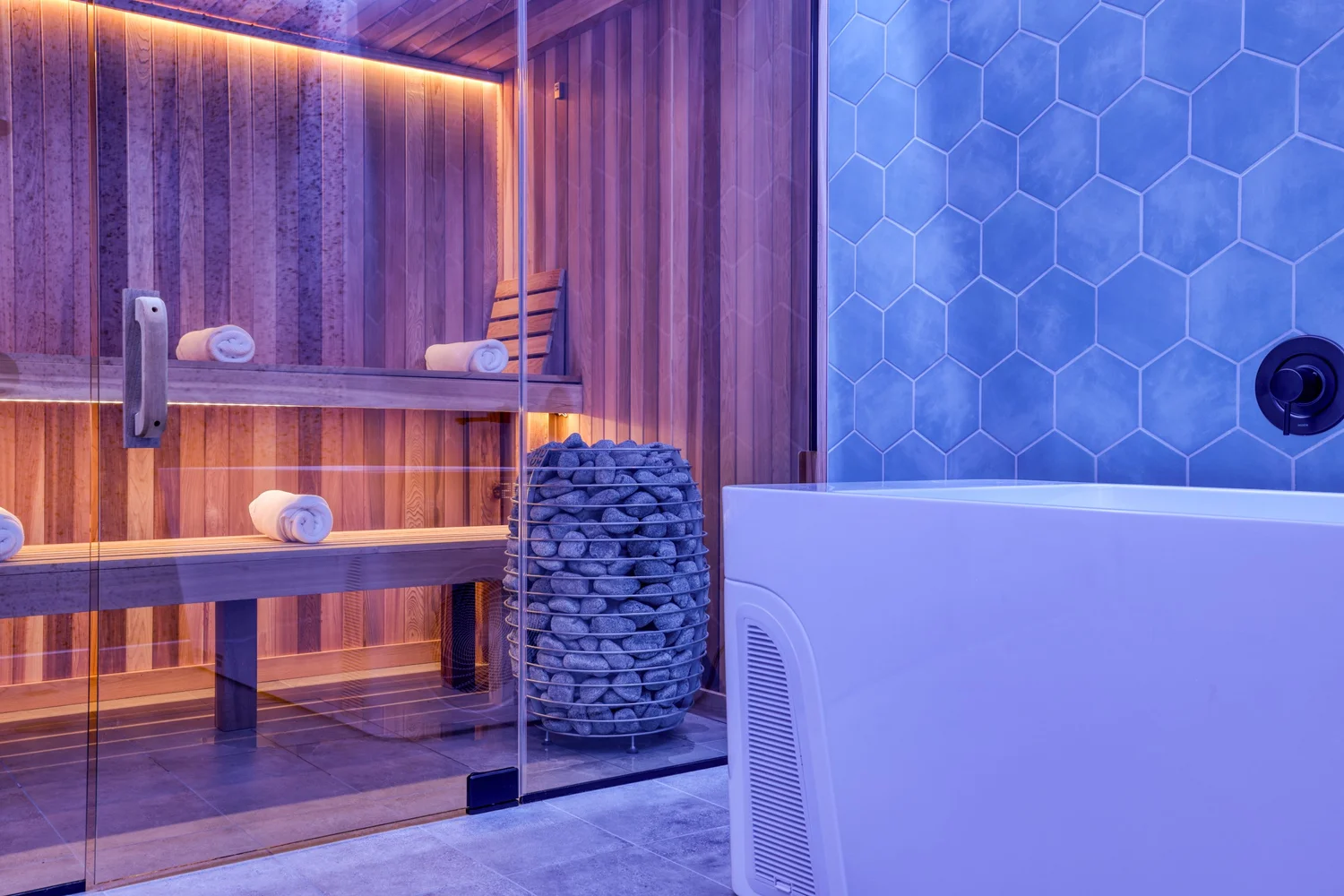
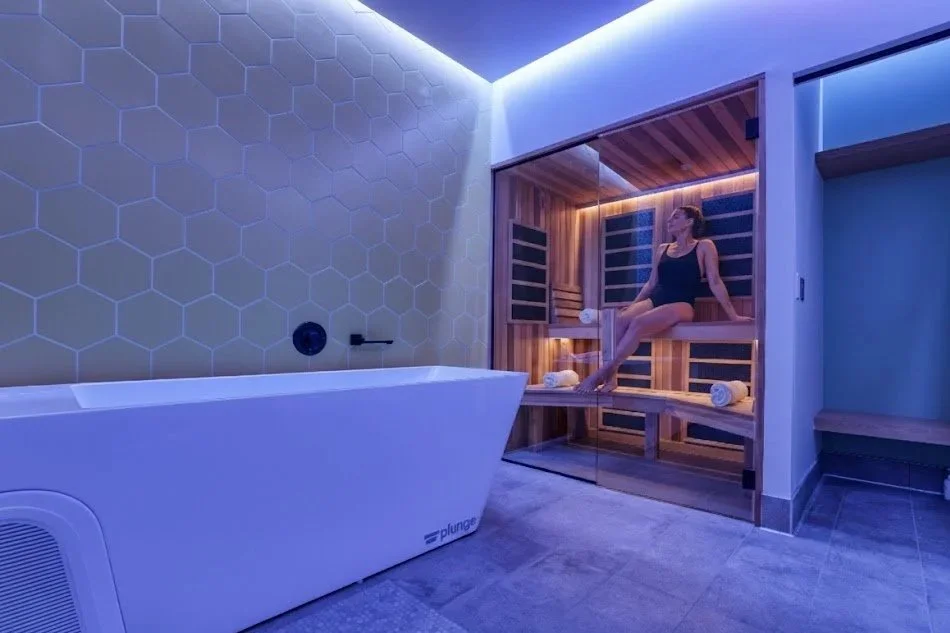
Our Twin Cities facility is designed specifically for contrast therapy protocols. Here's what makes our
approach different:
• Infrared sauna + cold plunge pairing: Our infrared sauna heats your body efficiently at
comfortable air temperatures, while our cold plunge maintains consistent therapeutic
temperatures
• Guided protocols: Our team helps you determine the right temperatures, durations, and
frequencies based on your specific goals (recovery vs. adaptation vs. mental resilience)
• Multi-therapy integration: Combine contrast therapy with PEMF, chiropractic care, or red light
therapy for comprehensive recovery
• Functional medicine context: We assess your overall health picture to ensure contrast therapy
supports your long-term wellness goals
For beginners, we recommend starting with shorter cold exposures (1-2 minutes) and building
tolerance over several sessions. Most clients work up to full contrast therapy protocols within 2-3
weeks.
Frequently Asked Questions About Contrast Therapy
Should I do sauna or cold plunge first?
Most protocols start with heat (sauna) to warm the body and induce vasodilation, then move to cold.
However, the key rule is to ALWAYS finish with cold - ending with heat can increase inflammation
and swelling.
How often should I do contrast therapy?
Research suggests 2-4 sessions per week provides benefits without potentially blunting training
adaptations. If you're in a competition phase prioritizing recovery, you can increase frequency
temporarily.
Is contrast therapy better than cold plunge alone?
The meta-analysis data suggests both are effective, with some studies showing slight advantages for
contrast therapy in reducing perceived fatigue. However, cold water immersion alone may be
sufficient for many recovery goals.
Can contrast therapy help with anxiety?The cold exposure component has been linked to improved mental resilience and stress reduction.
Many practitioners report that the deliberate discomfort of cold immersion builds psychological
toughness and promotes calm after the initial shock.
How long until I see results?
Many people notice reduced soreness and improved mood within the first few sessions. Consistent
use over 2-4 weeks typically shows more pronounced recovery benefits.
The Bottom Line on Contrast Therapy
Contrast therapy combining sauna and cold plunge isn't just a wellness trend - it's an
evidence-backed recovery protocol with meta-analysis support for reducing muscle soreness,
improving perceived recovery, and supporting cardiovascular health. The Global Wellness Institute's
recognition of contrast therapy as a top 2026 trend reflects what athletes and wellness practitioners
have known for years.
The key is using it strategically: during competition seasons, recovery phases, or for general wellness
- while being mindful of when cold exposure might interfere with strength and muscle-building
adaptations.
At Optimum.health, we combine contrast therapy with functional medicine, chiropractic care, PEMF,
and red light therapy to create comprehensive recovery protocols tailored to your specific goals.
Ready to experience contrast therapy with professional guidance?
Schedule a consultation with our Minnesota team to design a protocol that fits your
recovery and performance goals.