The best wellness test is not always the biggest panel. The best test is the one that answers the next real question.
If you are comparing baseline blood work, Gut Zoomer, micronutrient testing, hormone panels, toxin panels, or other specialty labs, the decision can get expensive and confusing quickly. More data can help, but only when the test is connected to a clear reason for ordering it.
At Optimum Health in Inver Grove Heights, our practice uses Wellness Testing to support clearer Functional Medicine conversations. Testing can add context around nutrition, gut health, inflammation patterns, metabolic health, hormones, cardiovascular risk factors, and other wellness markers. It should not replace medical care, diagnose by itself, or create a pile of numbers without a plan.
The practical rule: start broad when the question is broad. Go specific when the question is already specific. If you are unsure, begin with a Functional Medicine discovery consult before ordering the wrong panel.
Baseline blood work answers a different question than specialty testing.
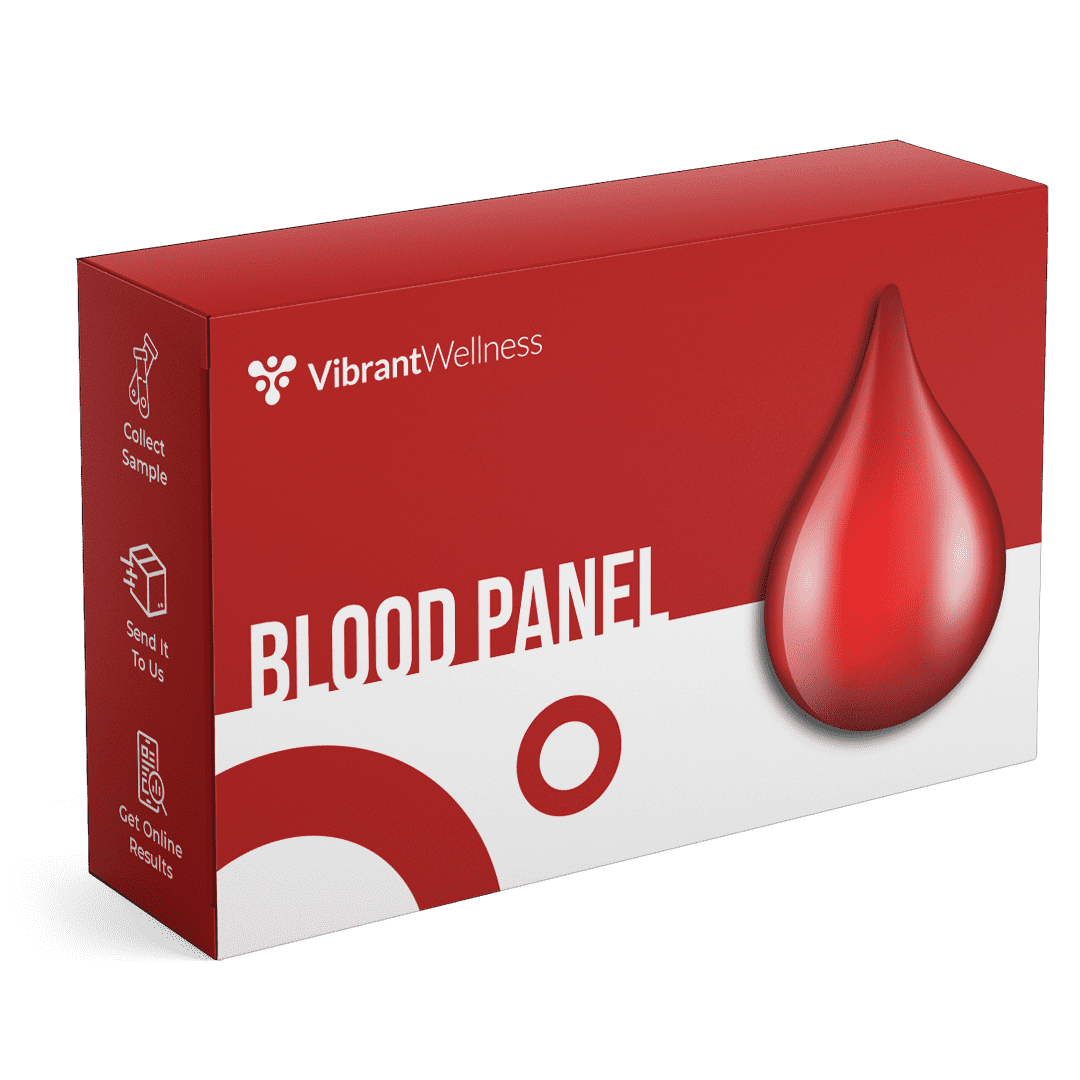
Baseline blood work is usually about orientation. It helps our practice look at a broad first layer before deciding whether a more focused lab path makes sense.
Specialty testing is usually about precision. A gut panel, micronutrient panel, hormone panel, toxin panel, or other focused test can be useful when the question has already narrowed.
Baseline blood work is often better when:
- You want a broad starting point.
- You do not know which system needs the closest look.
- You want context before choosing specialty testing.
- You are trying to avoid guessing from symptoms alone.
Specialty testing is often better when:
- The main question is already specific.
- You are focused on gut, nutrients, hormones, toxins, or another defined area.
- Prior labs already suggest the next layer to review.
- The result would change the next decision.
When baseline blood work should usually come first.
Baseline blood work often makes sense when someone wants a more complete starting point. This can support conversations around metabolic health, inflammation patterns, thyroid-related markers, nutrient status, cardiovascular risk factors, and other common wellness markers, depending on the exact panel ordered.
That does not mean baseline testing gives every answer. It means the first layer of data can help organize the conversation. For many people in Inver Grove Heights, Eagan, St. Paul, and the south Twin Cities, that is more useful than jumping directly into a specialty panel without knowing what the broader picture shows.
It also helps reduce waste. If a broad baseline points toward a clearer direction, the next test can be more intentional. If it does not, our practice can talk through whether further testing is worth it at all.
When specialty testing is the smarter first step.
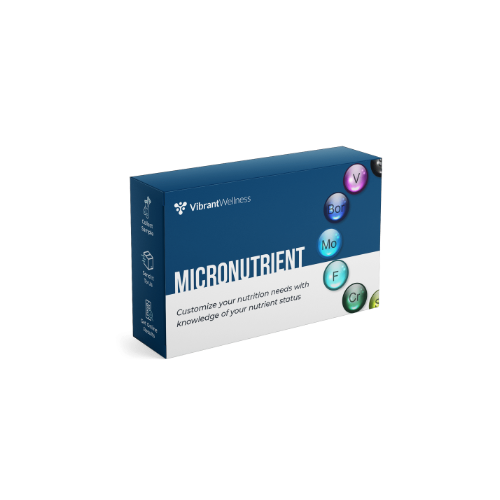
Specialty testing can make sense when the main question is already focused. For example, a gut-focused test may be a better fit when the question is clearly digestive or microbiome-related. A nutrient-focused test may be a better fit when the question is nutritional status, absorption, dietary restriction, or supplement direction.
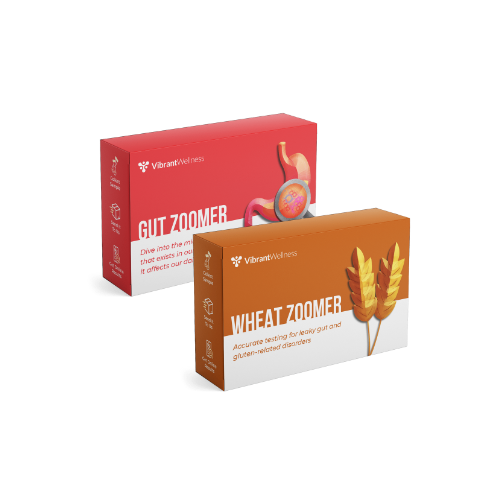
Vibrant Wellness describes Gut Zoomer as a clinician-ordered, at-home test that looks at microbiome balance, pathogens, inflammation, digestion, permeability, detox-related metabolites, and neurotransmitter patterns. That does not mean every person needs it. It means it may be worth discussing when the gut is the right question.
The CDC describes vitamins and minerals as micronutrients that are important for healthy development, disease prevention, and well-being. The NIH Office of Dietary Supplements also maintains fact sheets for vitamins, minerals, and many supplement ingredients. A nutrient-focused panel should still be tied to an actionable question, not used as a shortcut to buying a long supplement list.

Not sure where to start? Book a Functional Medicine discovery consult so our practice can help decide whether baseline blood work, Gut Zoomer, micronutrient testing, or another option makes sense.
Book a Functional Medicine Discovery ConsultA simple way to choose before you spend money.
Use the decision, not the lab menu, as the filter.
Choose baseline first if the next decision is:
"What does the broader picture show, and which direction should we look next?"
Choose specialty testing first if the next decision is:
"We already know the focused question, and this panel would change the next step."
Book a consult first if the next decision is:
"I am comparing several tests and do not want to order the wrong one."
Hold testing if the next decision is:
"The result would be interesting, but it would not change what we do next."
What happens after the results come back?
Results should lead to a decision. That decision might be Functional Medicine care, a lab findings review, a nutrition strategy, referral back to an outside healthcare provider, recovery support, or no additional testing right now.
At Optimum Health, Wellness Testing is connected to Functional Medicine because interpretation matters. A lab result has more value when it is reviewed next to your goals, health history, lifestyle, current concerns, and what has already been tried.
The goal is not to collect every possible data point. The goal is to create a clear next step.
What wellness testing can and cannot do.
Wellness Testing can help organize a better conversation. It can add useful context. It can point toward patterns worth discussing. It can also help people avoid guessing when choosing between several wellness paths.
It cannot diagnose, treat, cure, or prevent disease by itself. It cannot replace emergency care, primary care, specialist care, or medical testing ordered by another healthcare professional.
The strongest testing strategy is calm and selective: start with the right question, choose the test that answers it, then use the results to make the next decision clearer.
Wellness Testing FAQ.
What is the best first wellness test?
There is no single best first test. If the question is broad, baseline blood work is often the cleaner starting point. If the question is clearly gut-focused, nutrient-focused, hormone-focused, or toxin-focused, a specialty panel may be worth discussing first.
What is baseline blood work useful for?
Baseline blood work can help organize common wellness markers into a broader starting point. It may support conversations around metabolic health, inflammation patterns, thyroid-related markers, nutrient status, and cardiovascular risk factors, depending on the exact panel ordered.
When does specialty testing make more sense?
Specialty testing makes more sense when the main question is already specific. Examples include gut function, microbiome patterns, micronutrient status, hormone patterns, toxin exposure context, or other focused questions that need a narrower lab path.
Can wellness testing diagnose a condition?
No. Wellness testing can add context for a more complete conversation, but it does not diagnose, treat, cure, or replace care from a qualified healthcare professional.
Where can I start with wellness testing near Inver Grove Heights?
Optimum Health offers Wellness Testing support in Inver Grove Heights for people from Eagan, St. Paul, and the south Twin Cities. The recommended first step is a Functional Medicine discovery consult.
Sources and context.
Optimum Health Wellness Testing; Optimum Health Functional Medicine; CDC: About Micronutrients; NIH Office of Dietary Supplements fact sheets; Vibrant Wellness Gut Zoomer; CDC sensitivity and specificity explainer.
This information is educational and not a substitute for professional medical advice. Consult your healthcare provider before starting any new therapy, supplement program, or testing strategy. Services are not intended to diagnose, treat, cure, or prevent disease.